Elena Artuso — About
Biography
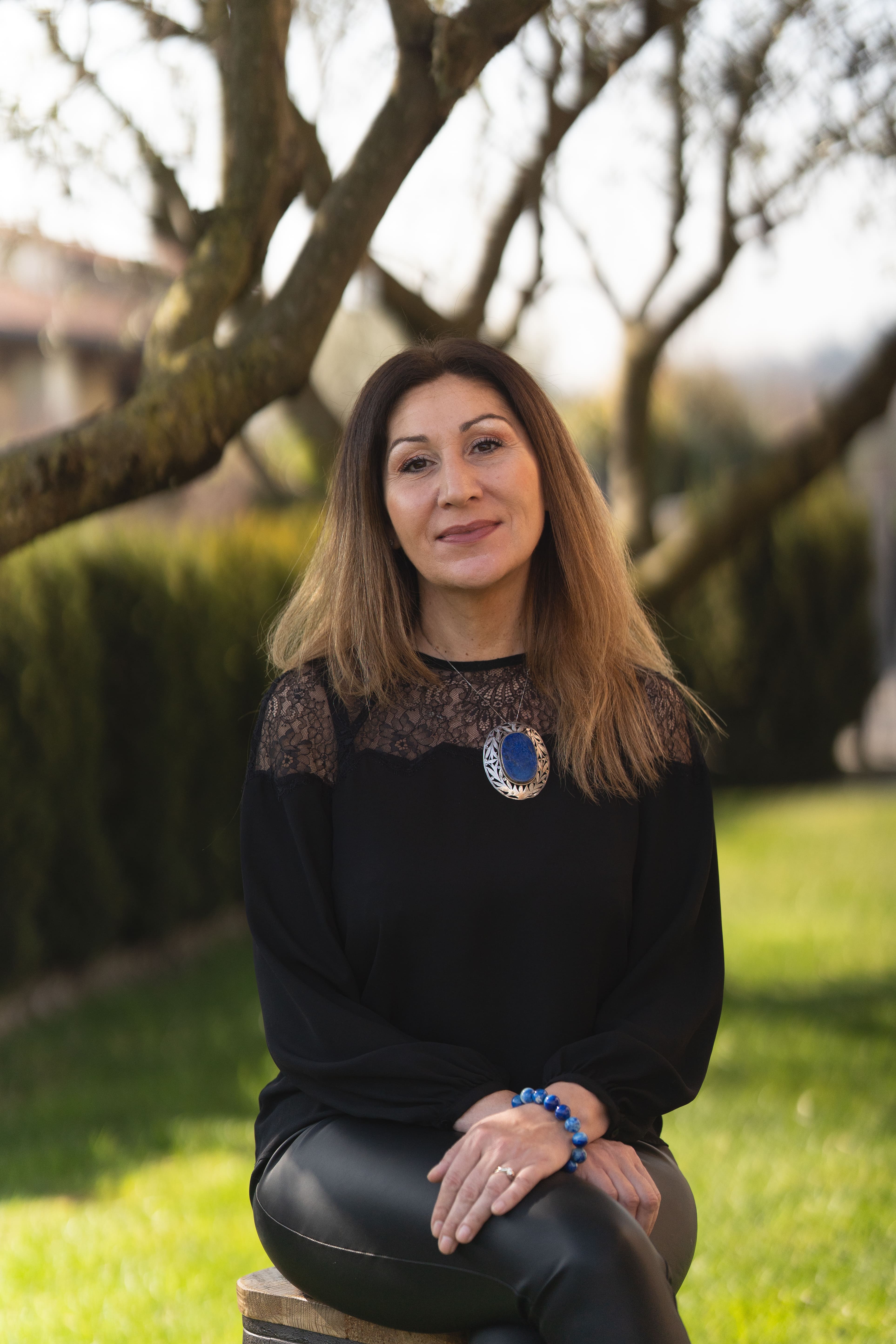
Elena Artuso (1976) lives and works in Italy. After a classical education and studies in economics, she pursued a career in marketing.
She turned to visual art later
in life, embarking on an independent path, away from academies and formal
conventions.
Her painting practice is guided by listening and intuition and develops in dialogue with matter, between intention and possibility.
Statement
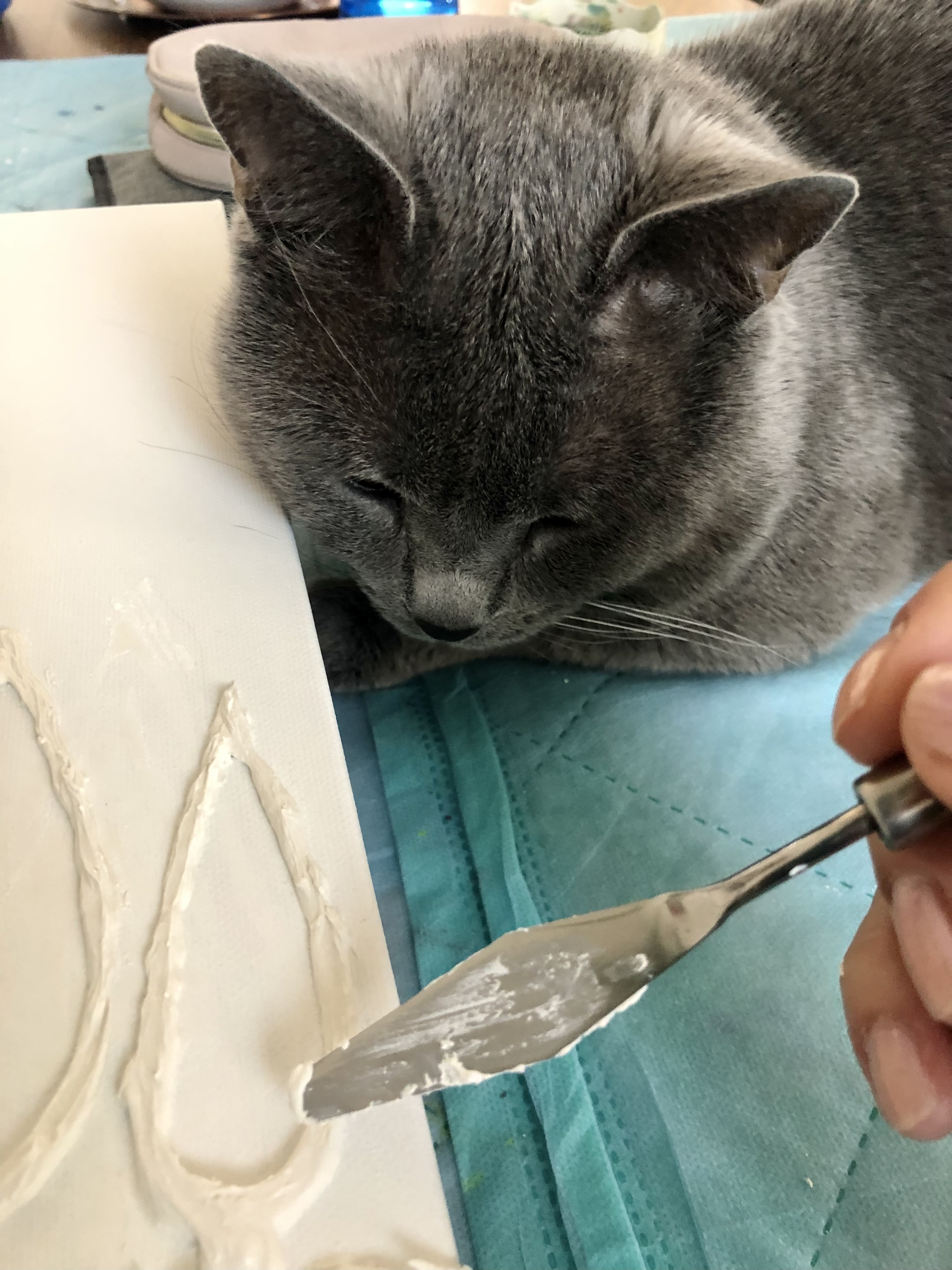
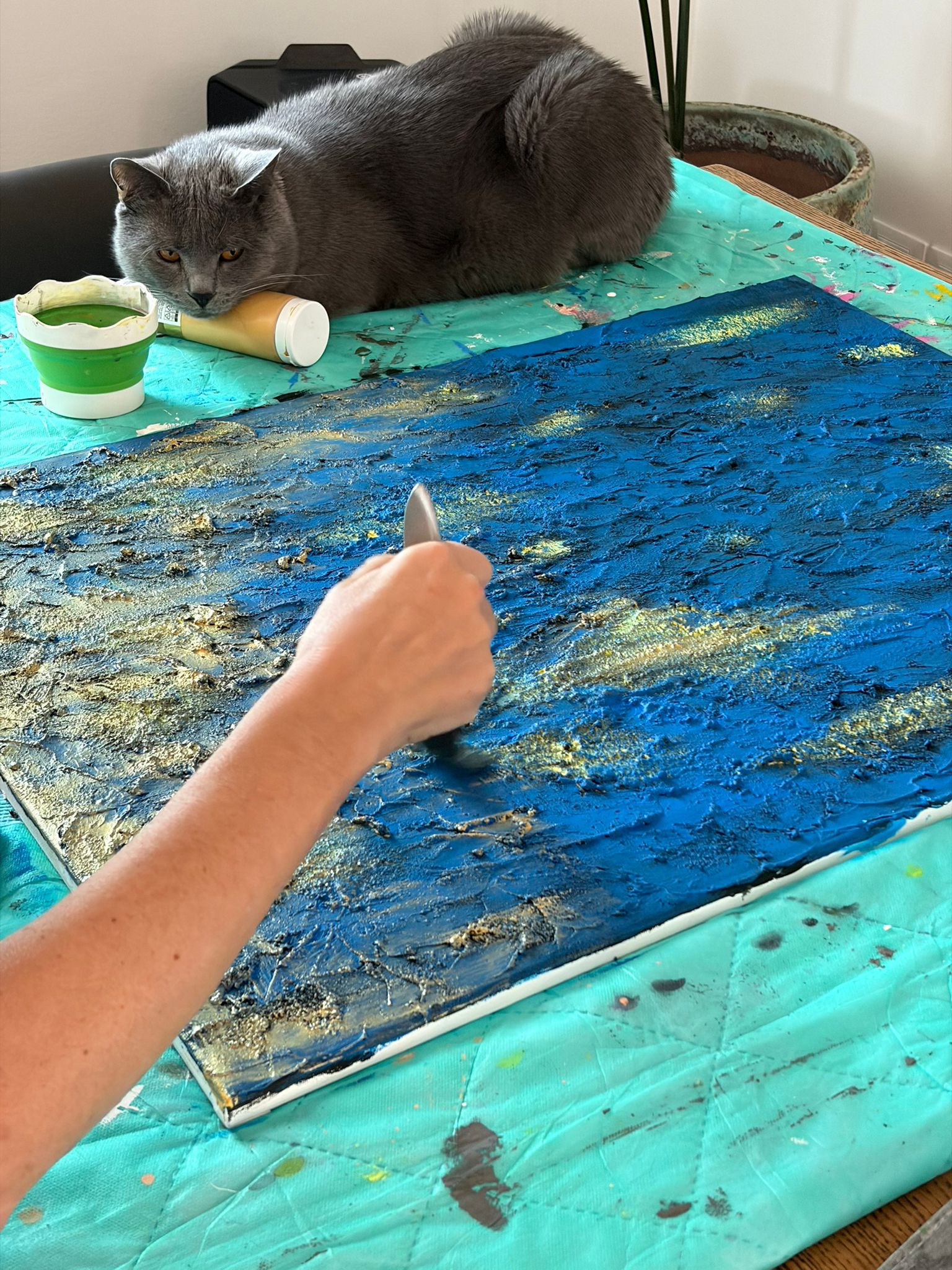
PANGEA is a contemporary painting project in which works take shape through earths and sands collected from places of great intensity—sacred, historical, symbolic, or wounded.
Bringing earth into the painting arises from a desire to move beyond colour and representation. Matter does not represent the place: it is the place itself entering the work, carrying with it memories, imprints, and stratifications.
Each work emerges from the encounter between place, matter, and painterly gesture. The soil, collected and kept until it enters the work, encounters the artist’s intuition and gesture, giving rise to an exchange between imagination and possibility.
Matter thus becomes a bridge between geography and interiority, between what belongs to a place and what, through the work, can continue to live elsewhere. An act of care welcomes what has been separated and transforms it into a new possibility of relation.
PANGEA is a research project exploring the profound relationship that connects us to places and the possibility of transforming memory into presence, the fragment into continuity, without erasing its origin.
Through painting, places, memories, and belongings enter into relation and build a new geography of matter and possibility.
Manifesto
Not an art that displays the wound.
An art that traverses it
and transforms it.
Fracture is part of our time.
Discomfort. Crisis.
The wounds of the world.
But beyond the narrative
a space for recomposition can open.
PANGEA begins here.
Where the fragment
seeks a new belonging
without losing its memory.
It offers no certainties.
It seeks belonging.
Each work is a passage.
Between what we have been and what we may become.
Between imprint and belonging.
Between memory and recomposition.
It is not looked at. It is traversed.
It is not an object. It is a threshold.
The title comes later.
When the work has found its voice.
It is a message that emerges.
For those who recognize it.
Not noise. But listening.
Not separation. But relation.
Not consumption. But presence.
Nothing is truly inert.
Every place continues to speak.
The earths hold memories, imprints, and stratifications.
In the work, they encounter one another without merging.
Like the original supercontinent,
PANGEA evokes an original condition of unity.
Not a lost unity to be mourned.
A unity to be rediscovered.
Within matter.
Within memory.
Within the resonances that traverse us.
Every transformation generates a new possibility of belonging.
And for an instant, the world is not represented.
It recomposes itself.